
Sshole Vulnerability Triggers Global SSH Scan Surge: Exploitation Attempts Spike
New data reveals a global surge in exploitation attempts targeting CVE-2026-123158, the Sshole SSH vulnerability. Urgent patching and robust defenses recommende
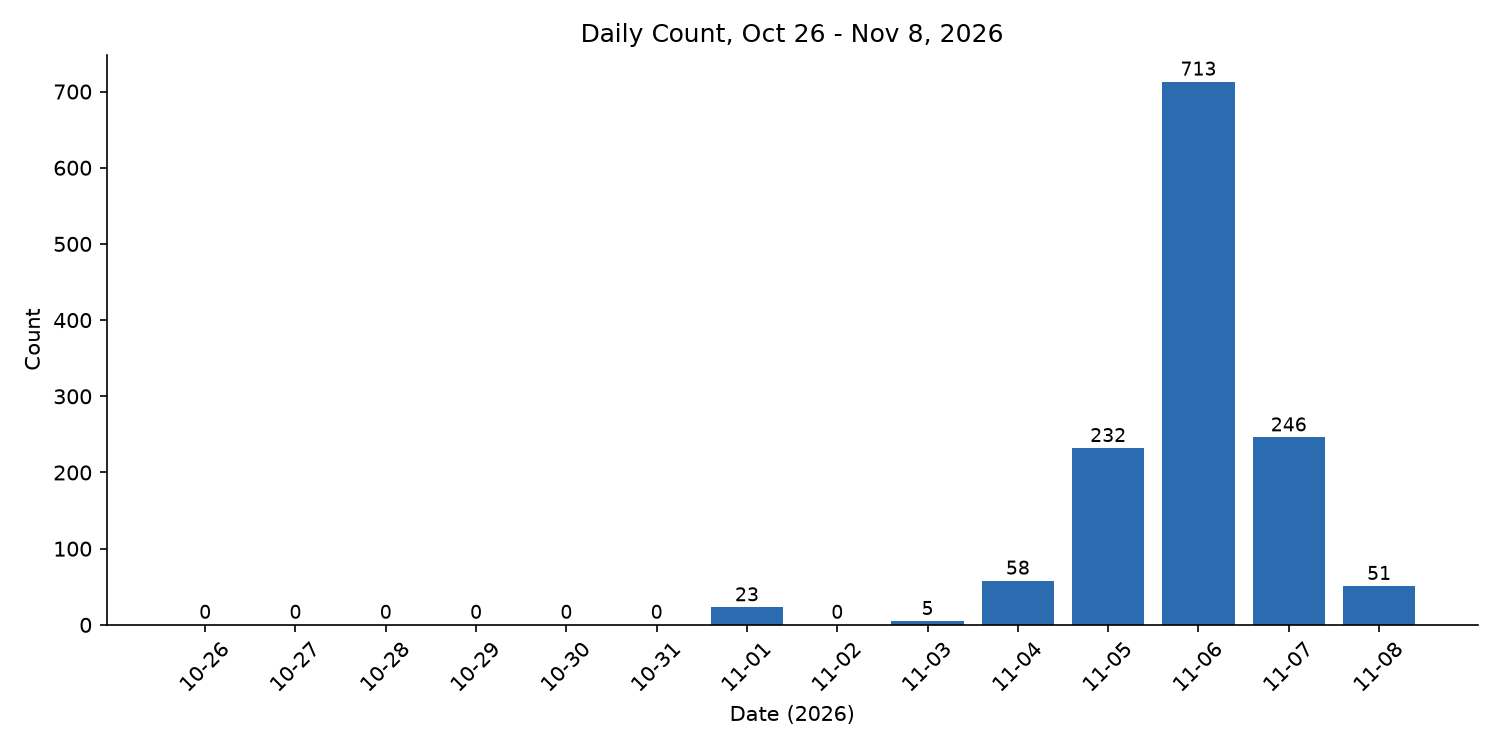
A critical vulnerability, dubbed "Sshole" (CVE-2026-123158), affecting the widely used Secure Shell (SSH) protocol, has triggered a significant uptick in global scanning and exploitation attempts. Cybersecurity researchers are observing a rapid escalation in malicious activity, indicating that attackers are quickly moving to weaponize this flaw. Initial telemetry from SANS ISC honeypots highlights a sharp increase in probing using unusually long passwords, a signature indicative of attempts to trigger the underlying vulnerability.
Analysis of honeypot data reveals two distinct patterns of attack. Initially, starting around November 1st, researchers noted a rise in attempts where lengthy command strings, typically intended for post-authentication execution, were submitted in the password field. While these "buggy" attempts might inadvertently succeed on misconfigured systems, the true threat emerged on November 5th. This date marked the appearance of specific exploitation attempts leveraging sequences of repeated characters, such as an all-"A" password string. This method strongly suggests adversaries are targeting a memory corruption vulnerability, likely a buffer overflow, within the SSH authentication process. Such a vulnerability could potentially lead to denial-of-service, information leakage, or, critically, pre-authentication remote code execution (RCE).
The volume of these targeted exploit attempts has surged dramatically. From isolated instances on November 5th, the number of observed attacks escalated rapidly, peaking on November 6th with hundreds of distinct attempts. The geographical distribution of these scanning sources is notably diverse, spanning numerous autonomous systems (ASNs) across various continents. This global footprint underscores the rapid dissemination of exploit capabilities within the cybercriminal underground and by potentially more sophisticated threat actors. Key origins include networks associated with major ISPs and hosting providers, indicating botnet activity or dedicated attack infrastructure.
Mitigating the Sshole Threat
Organizations must treat CVE-2026-123158 with extreme urgency. The primary defense against this emerging threat is to ensure all SSH servers are patched to the latest secure versions as soon as vendor advisories become available. Beyond patching, robust defensive measures are essential:- Configuration Hardening: Disable unnecessary SSH features and restrict access to authorized users and IP ranges. Implement strong password policies, though this vulnerability bypasses typical password strength by exploiting length.
- Multi-Factor Authentication (MFA): Where possible, deploy MFA for SSH access to add an additional layer of security; even if a pre-auth exploit is possible, it can limit post-compromise lateral movement.
- Intrusion Detection/Prevention Systems (IDPS): Implement IDPS rules to detect and block unusually long password attempts or specific exploit patterns if signatures become available.
- Network Segmentation: Isolate critical systems accessible via SSH from the broader network.
- Continuous Monitoring: Actively monitor SSH logs for anomalous login attempts, unusual data transfers, or unauthorized commands.
The Global Angle
For "ThreatSurface Global" readers, the Sshole vulnerability represents a critical, pervasive risk. SSH is a foundational protocol for secure remote administration across virtually all enterprise environments, cloud infrastructure, and critical operational technology (OT) systems worldwide. A pre-authentication RCE in SSH could provide adversaries with an immediate foothold into core systems, bypassing traditional perimeter defenses. This presents severe implications for:- Supply Chain Integrity: Compromised SSH access points in upstream vendors or service providers could facilitate devastating supply chain attacks.
- Nation-State Espionage and Sabotage: Sophisticated state-backed actors could leverage such a vulnerability for strategic intelligence gathering or disruptive campaigns against critical infrastructure.
- Ransomware Campaigns: Gaining SSH access allows threat actors to establish persistence, deploy malware, and encrypt systems without needing to trick users or exploit client-side vulnerabilities.